Case study · Healthcare · medical imaging
AI that helps radiologists read MRI, CT and X-ray studies faster
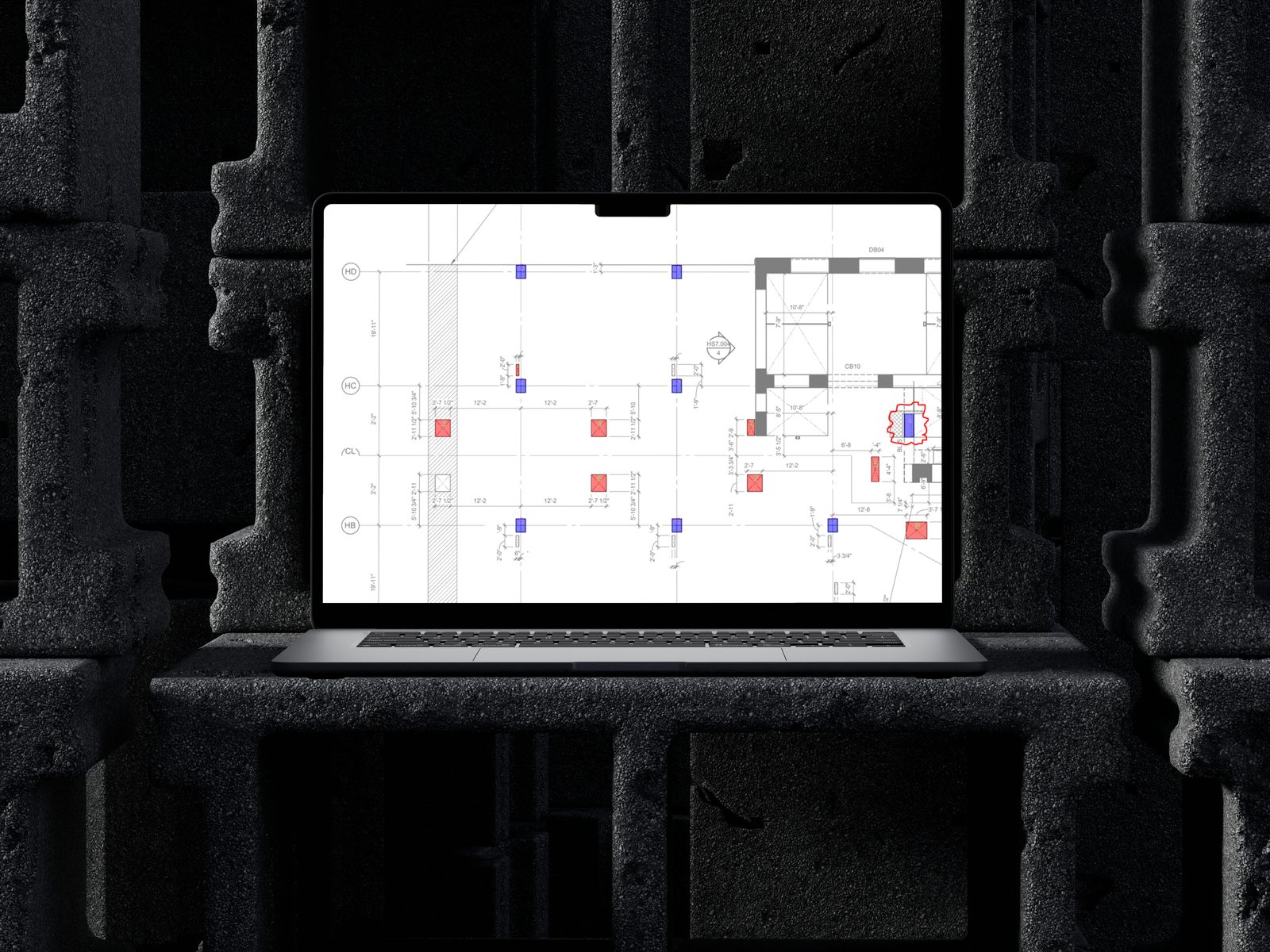
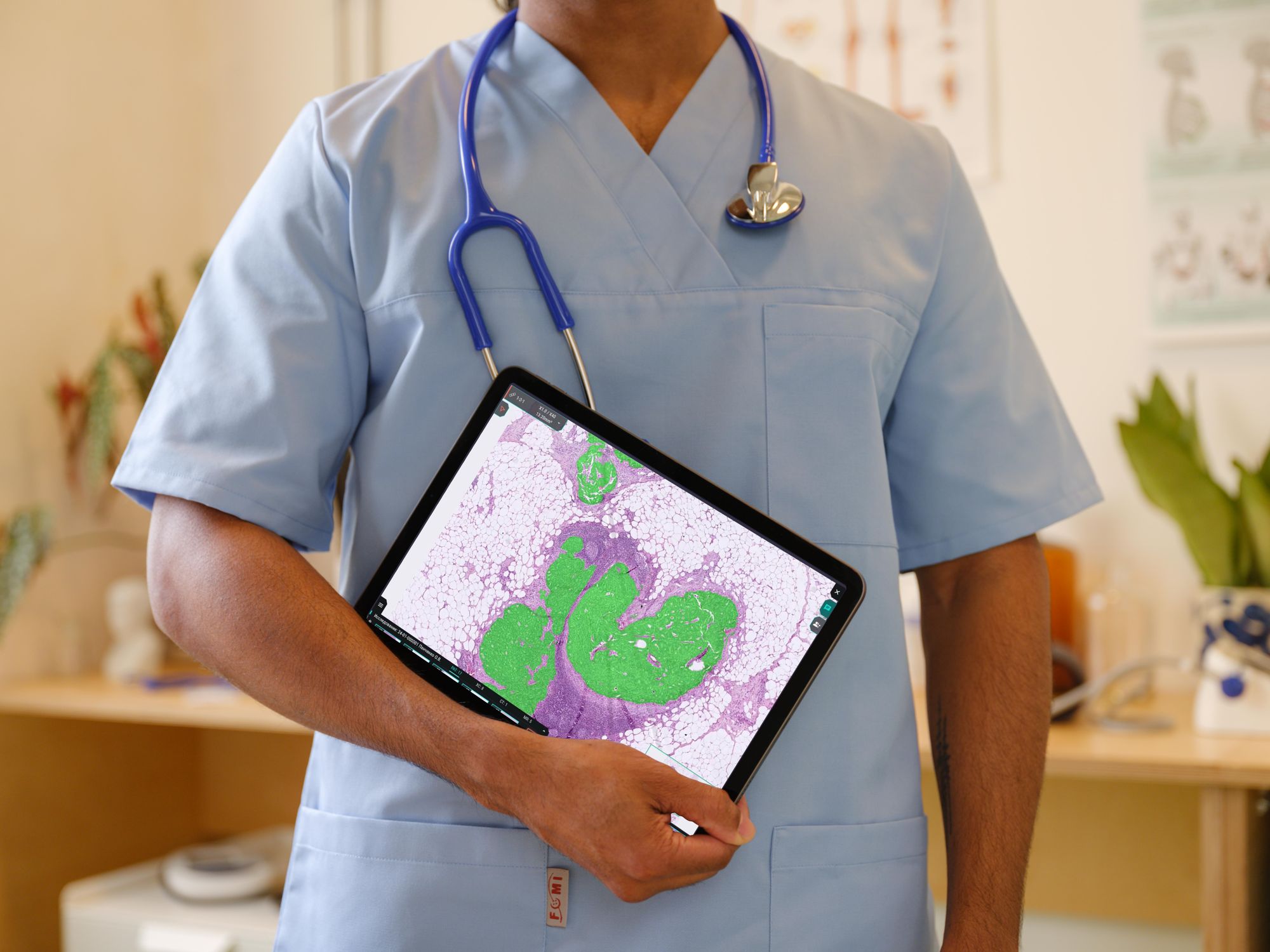
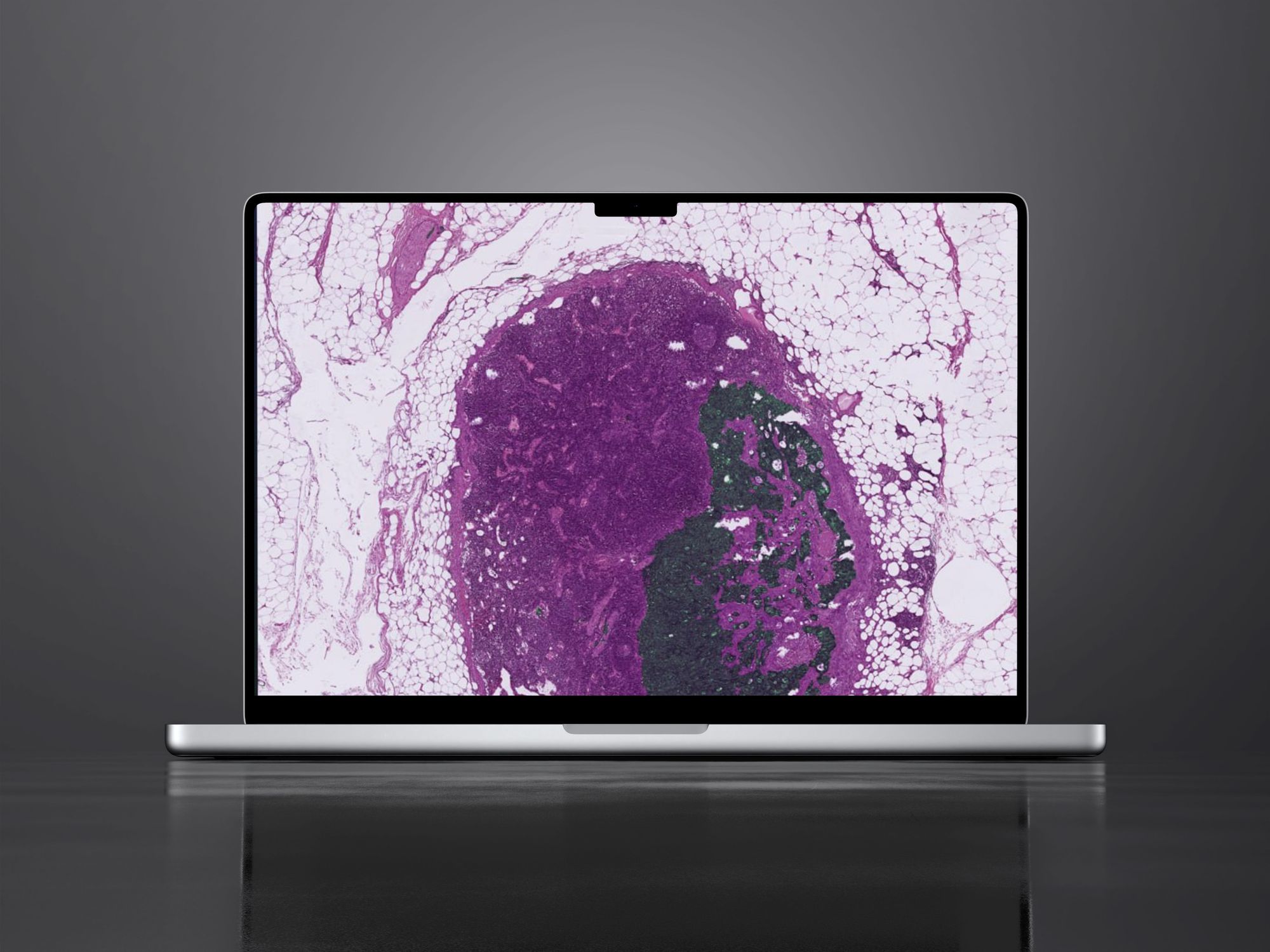
A medical imaging platform where machine learning marks regions of interest on 2D and 3D studies, so a doctor works through a worklist faster. The system suggests; the doctor decides.
- What we built
- Web platform with ML models, DICOM pipeline and a reading interface
- Industry
- Healthcare · medical imaging
- Our role
- Own product, built and operated by MLMind
Quick answers
- 01
Built: an AI platform for viewing, analysing and reporting on medical images, with ML modules for segmentation, classification and detection.
- 02
For: radiology departments, diagnostic centres and pharmaceutical research teams working with DICOM studies.
- 03
Modalities: 2D and 3D MRI, CT, X-ray and ultrasound.
- 04
Stack: Python, PyTorch, TensorFlow, MONAI, NVIDIA Clara, React and Node.js on a cloud deployment.
- 05
Outcome: 8 to 12 times faster image processing on GPU, and up to 98% accuracy on the key lung, liver and brain tasks (figures published for the product).
Overview
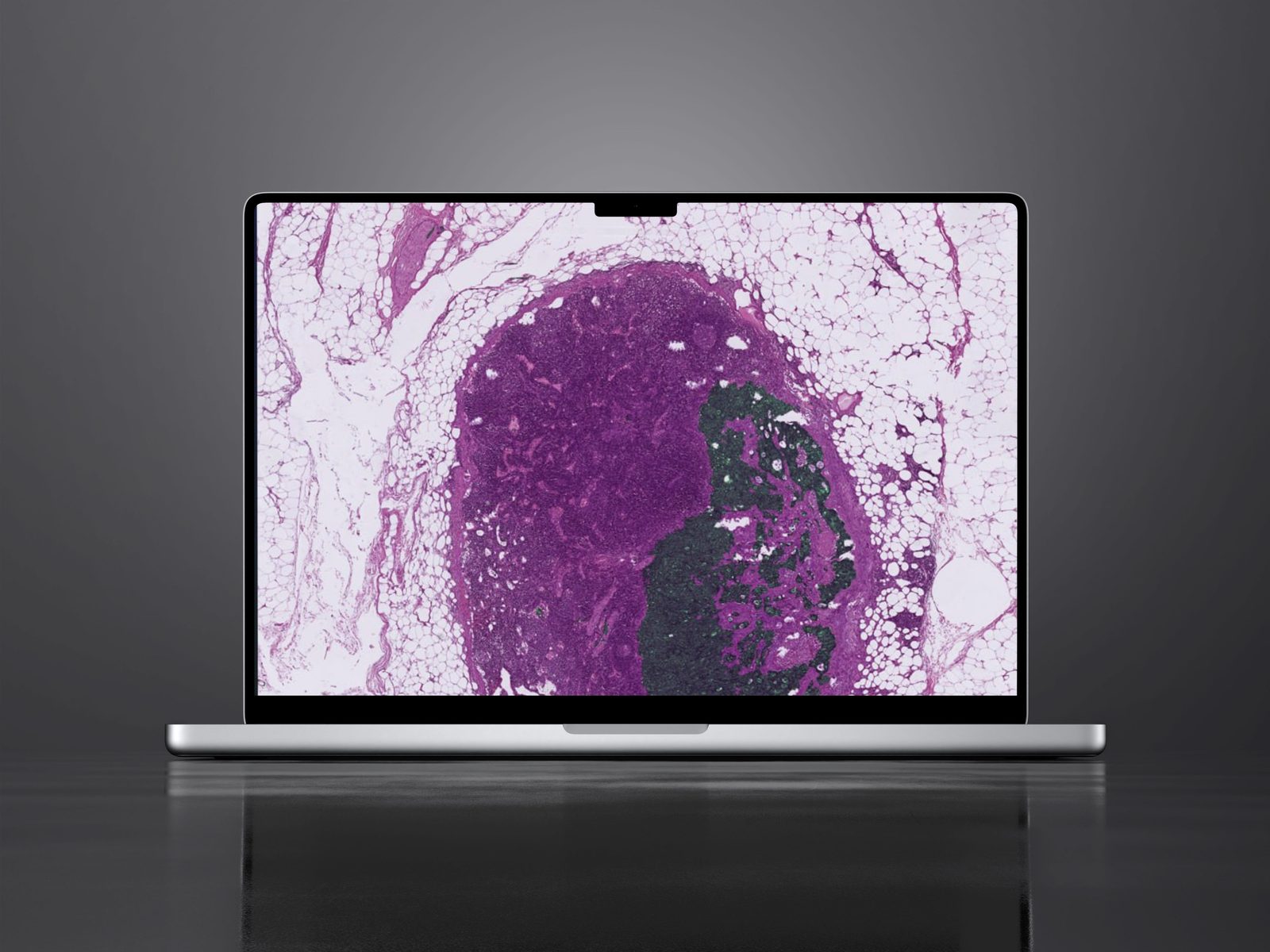
Radiology backlogs grow faster than radiologists do. A reader spends much of a shift on studies that turn out to be normal, while the ones that need attention wait in the same queue. MedicMinder was built to change the order of work: models pre-read each study, mark what they find, and let the doctor start from the finding rather than from a blank image. It works with 2D and 3D studies, identifies pathologies such as tumours, strokes and inflammatory disease, and supports disease prediction and surgical planning on the same platform.
Challenges
Studies are large and slow to move
A single CT can run to hundreds of slices. Loading, rendering and running models on it in a browser session without the doctor waiting was the first engineering problem.
Every department wants a different model
A chest team and a neuro team do not need the same network. The platform had to host specialised models per department without a separate deployment for each.
Nothing exists in isolation
Images arrive from scanners, patients are registered in a LIS, samples carry barcodes. The platform had to sit inside that flow, not beside it.
Doctors work together, often from different buildings
Second opinions, teaching and tumour boards all need the same study open in two places at once, with a conversation attached.
A suggestion is not a diagnosis
Every model output had to be presented as a preliminary conclusion for a doctor to confirm or reject, and the interface had to make that distinction impossible to miss.
How it works
Studies come in
DICOM images arrive from the scanner or a PACS export. Barcode scanning links registered patients, biological samples and equipment to the images they produce.
Models pre-read
Department-specific neural networks segment organs, classify findings and detect regions of interest. GPU optimisation and NVIDIA Clara integration keep this to seconds rather than minutes.
Worklists sort the queue
Complex queries filter patients and studies, and are saved as worklists so a reader opens the right cases first.
The doctor reads and decides
The viewer shows the study with model findings overlaid as suggestions. The report is the doctor’s; the model’s output is a starting point.
Colleagues join in
Individual or group chats, calls and shared studies let doctors discuss a case in real time from different locations, with AI module chatbots available in the same thread.
What we delivered
AI modules
- Segmentation, classification and detection models for MRI, CT, X-ray and ultrasound
- Preliminary conclusions surfaced in the viewer for the doctor to confirm
- Department-specific models trained for a unit’s own cases
Imaging pipeline
- DICOM ingestion for 2D and 3D studies
- GPU-optimised processing with NVIDIA Clara integration
- Built on the MONAI medical imaging framework
Clinical workflow
- Barcode-based patient, sample and equipment linking
- Integration with laboratory information systems (LIS)
- Saved worklists from complex patient and study queries
Collaboration
- Simultaneous viewing of images and patient data from different locations
- Personal and group chats, calls and study sharing
- AI chatbots inside the conversation
By the numbers
Every figure shows where it comes from. We do not publish numbers we cannot point to.
Stack
 Python
 PyTorch
 TensorFlow
 scikit-learn
 Pandas
 Jupyter
 React
 Node.js
 PostgreSQL
 Docker
Questions
No. Every model output is a preliminary conclusion shown as a suggestion. The doctor reads the study, confirms or rejects the finding, and signs the report.
2D and 3D MRI, CT, X-ray and ultrasound in DICOM, covering more than 80% of the images a hospital produces.
Yes. Specialised models can be trained for a department’s own cases and hosted on the same platform next to the general ones.
Through LIS integration, barcode-linked patient and sample records, and standard DICOM import and export.
Your project
Want something like this for your business?
Tell us what you are trying to do. An engineer replies within one business day with an honest first read, and the estimator gives you a budget range in three minutes.
- Reply within one business day
- Free 30-minute consultation — no obligation
- NDA before any details change hands
- Working prototype in 3–6 weeks
- You own the code and the models
- GDPR: DPA and EU data hosting
Get a free project estimate
Tell us what you need and an engineer — not a salesperson — replies within one business day.